Exploring Last Mile Delivery Trends in the Southeast USA
Understanding Last Mile Delivery
The concept of last mile delivery refers to the final step in the delivery process where goods are transported from a distribution hub to their final destination, often the customer's doorstep. In the Southeast USA, this phase of delivery has become increasingly important due to the region's growing population and rising e-commerce demands.
With more consumers expecting faster and more flexible delivery options, businesses are rethinking their strategies to enhance efficiency and customer satisfaction. The Southeast, known for its diverse urban and rural landscapes, presents unique challenges and opportunities for last mile delivery.
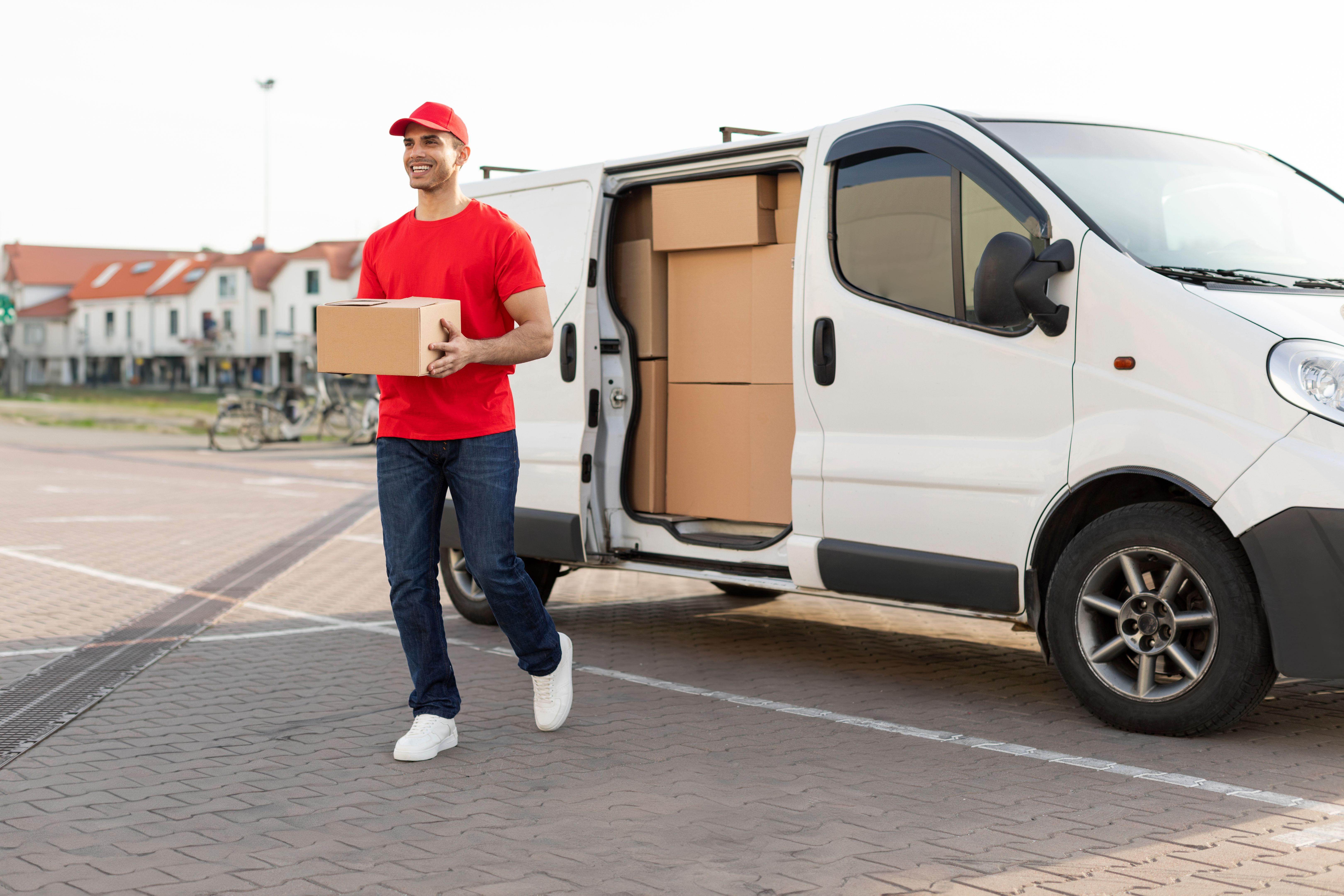
Technological Innovations
Automation and Robotics
Automation and robotics are playing a crucial role in transforming last mile delivery. Companies are experimenting with drones and autonomous vehicles to reduce delivery times and costs. These technologies are particularly beneficial in the Southeast's sprawling urban areas, where traffic congestion can be a significant hurdle.
Data Analytics and AI
Data analytics and artificial intelligence (AI) are being leveraged to optimize routes and manage deliveries more efficiently. By analyzing traffic patterns and customer preferences, companies can devise smarter delivery schedules that minimize delays and improve service quality.
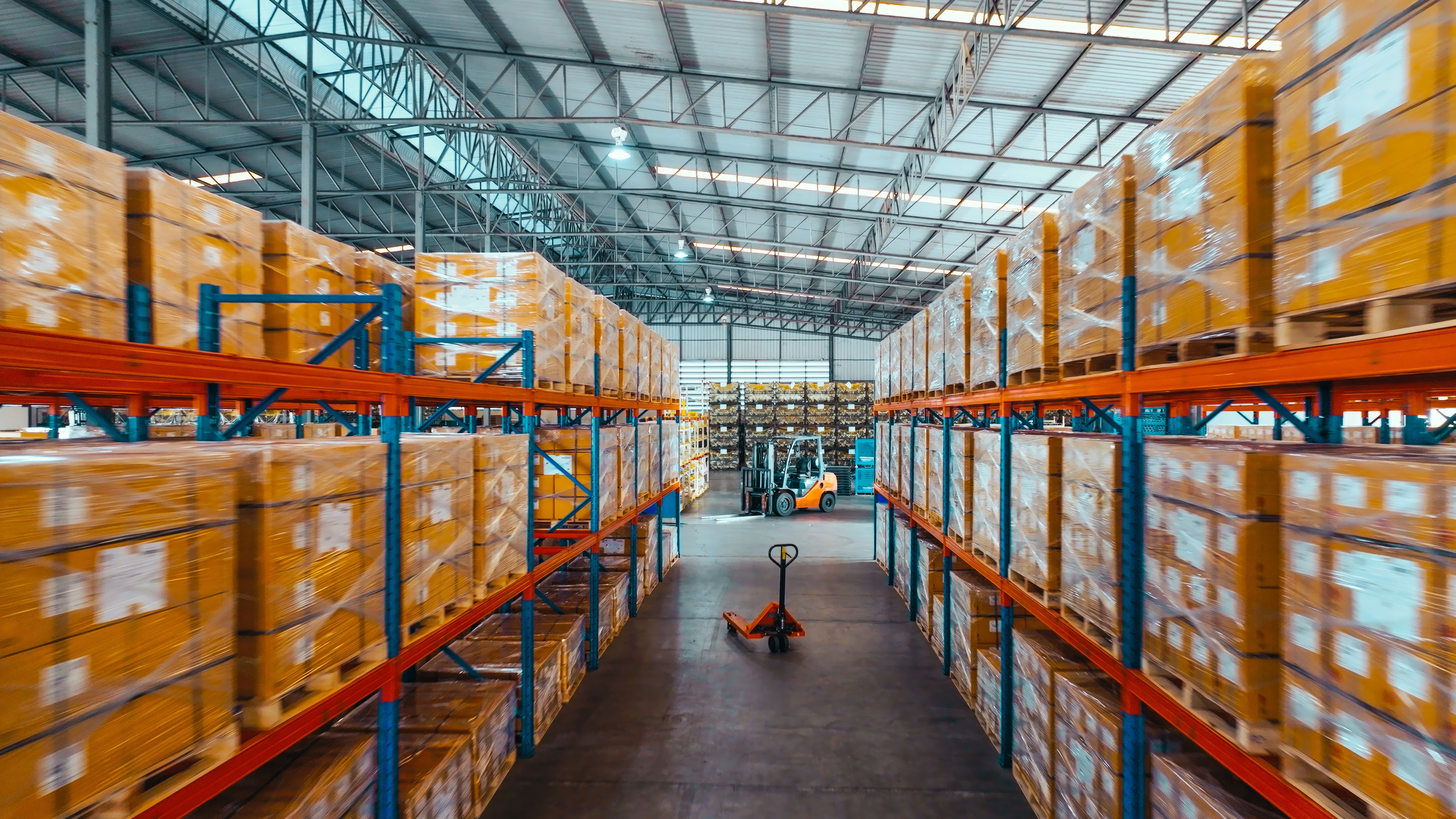
Environmental Considerations
As environmental awareness grows, there's a push towards sustainable delivery methods. Electric vehicles (EVs) and bicycles are becoming popular options for companies aiming to reduce their carbon footprint. In the Southeast, where environmental concerns are increasingly at the forefront, this shift is gaining momentum.
Efforts to consolidate deliveries and reduce the frequency of trips are also being explored to minimize environmental impact. This is not only beneficial for the environment but also helps companies cut down on operational costs.
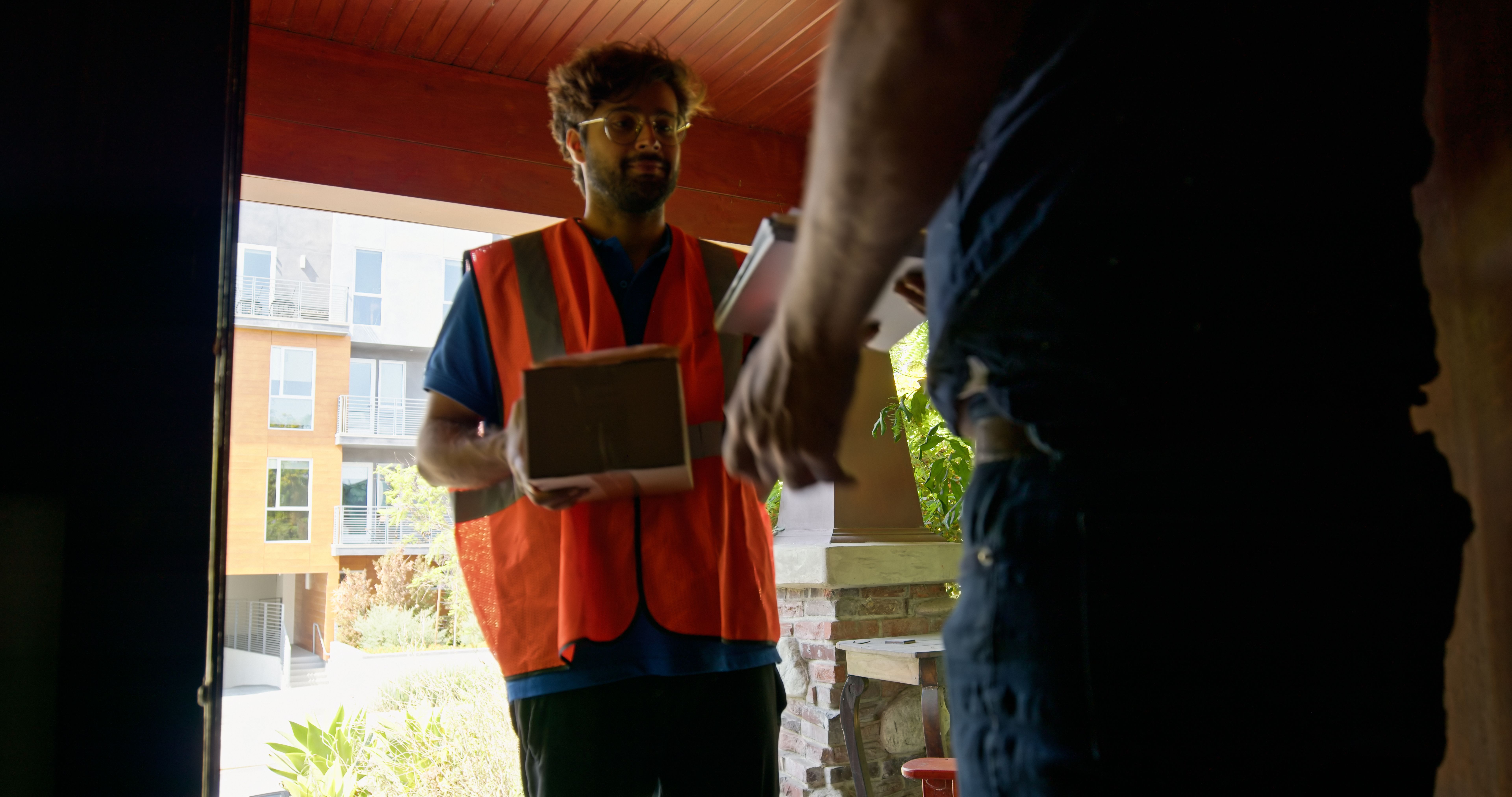
Challenges in Rural Areas
While urban areas in the Southeast benefit from technological advancements, rural regions face distinct challenges. Sparse populations and longer distances can make last mile delivery more complex and costly. Companies are exploring innovative solutions like local partnerships and decentralized distribution centers to overcome these hurdles.
Community Engagement
Engaging with local communities is another strategy being employed. By collaborating with local businesses and residents, delivery companies can create a more integrated and efficient delivery network, ensuring that even remote areas receive timely and reliable services.
Future Trends
Looking ahead, last mile delivery in the Southeast USA is set to evolve with further technological advancements and an emphasis on sustainability. The integration of IoT devices and real-time tracking systems will likely become more prevalent, providing customers with greater transparency and control over their deliveries.
Moreover, as consumer expectations continue to rise, companies will need to innovate continuously to remain competitive. Those that successfully adapt to these trends will be well-positioned to thrive in the dynamic landscape of last mile delivery.