How Cross-Docking Solutions Can Transform Your Supply Chain in South Florida
Understanding Cross-Docking
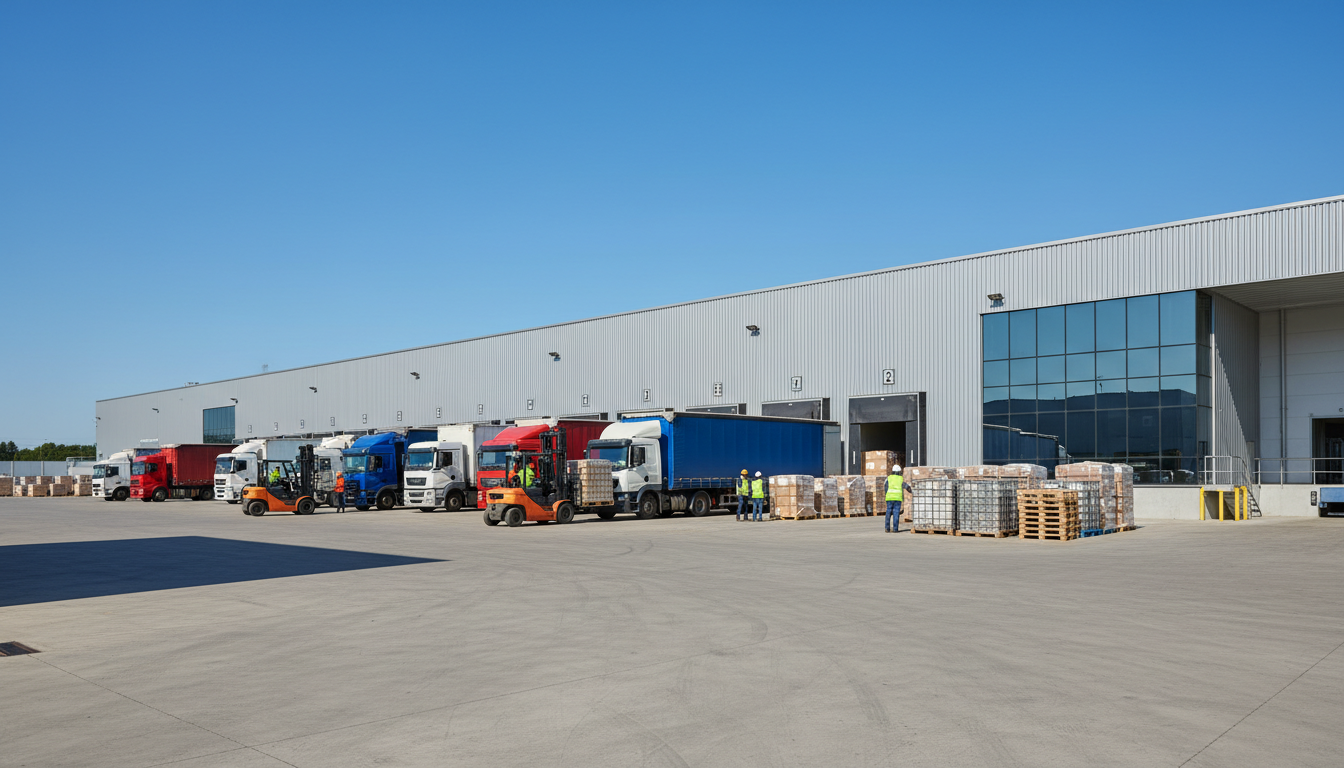
In the fast-paced world of logistics, efficiency is key. Cross-docking is a logistics strategy where products are directly transferred from inbound to outbound transportation with minimal or no storage time. This method significantly reduces warehousing costs and enhances the speed of delivery, making it an attractive option for businesses in South Florida.
By implementing cross-docking, companies can streamline their supply chains, eliminate unnecessary handling, and improve product flow. This is particularly beneficial in a region like South Florida, where quick access to both domestic and international markets is crucial.
Benefits of Cross-Docking in South Florida
Enhanced Efficiency
Cross-docking can dramatically improve the efficiency of your supply chain. By eliminating the need for storage, businesses reduce the time products spend in transit. This method also minimizes handling, which decreases the risk of damage and errors.
Cost Reduction
One of the most compelling advantages of cross-docking is cost reduction. Businesses can save on warehousing expenses by reducing the need for storage space. Additionally, fewer handling steps mean lower labor costs and fewer chances of product damage.

Implementing Cross-Docking
Choosing the Right Location
South Florida's strategic location makes it an ideal region for cross-docking operations. Its proximity to major ports and airports facilitates quicker delivery times and better connectivity to international markets.
- Access to major highways
- Proximity to ports and airports
- Availability of skilled labor
Technology and Automation
To maximize the benefits of cross-docking, incorporating technology and automation is essential. Advanced software solutions can help manage inventory, track shipments, and coordinate logistics operations efficiently. Automation reduces human error and speeds up the process.

Challenges and Solutions
While cross-docking offers numerous benefits, it also presents challenges. The need for precise coordination and planning is crucial to avoid bottlenecks. Businesses must ensure that their suppliers and transportation partners are synchronized to minimize delays.
Investing in reliable technology solutions and training staff in efficient cross-docking practices can help overcome these challenges. Establishing strong partnerships with logistics providers is also essential to ensure smooth operations.
Conclusion
Cross-docking can transform supply chains in South Florida by enhancing efficiency, reducing costs, and improving delivery times. With the right location, technology, and partnerships, businesses can leverage this strategy to gain a competitive edge in the market.
As the logistics landscape continues to evolve, adopting innovative solutions like cross-docking will be crucial for businesses looking to thrive in South Florida's dynamic environment.