How to Tailor Transportation Solutions for Florida's Dynamic Needs
Understanding Florida's Transportation Landscape
Florida's unique geography and growing population create a dynamic set of transportation needs. From bustling urban centers like Miami and Orlando to the tranquil coastal areas, the state requires a range of transportation solutions to accommodate its diverse communities. Understanding the landscape is the first step in tailoring effective strategies.
Florida's transportation system includes highways, railways, public transit, and waterways, each playing a crucial role in facilitating movement across the state. The challenge lies in integrating these modes to create a seamless and efficient network.
Addressing Urban Transportation Challenges
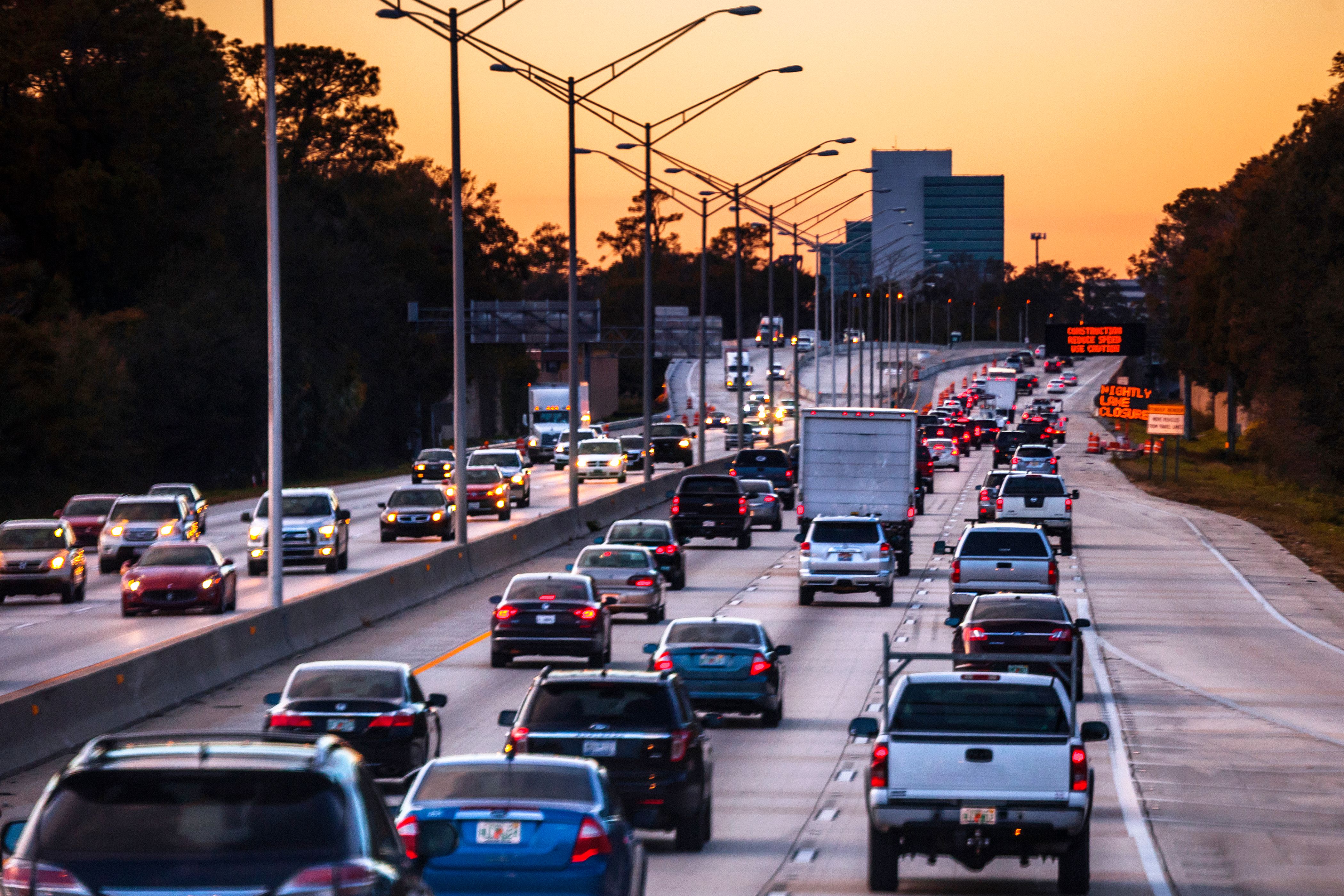
In cities like Miami, traffic congestion is a significant concern. Solutions such as expanding public transit options and encouraging carpooling can help alleviate the pressure on roadways. Implementing smart traffic management systems also offers a way to optimize flow and reduce delays.
Urban areas can benefit from investing in sustainable transportation options. Electric buses and bike-sharing programs not only reduce emissions but also promote healthier lifestyles. By prioritizing these initiatives, cities can create a more resilient and eco-friendly transportation network.
Enhancing Rural and Coastal Mobility
Rural and coastal regions in Florida face different challenges, such as limited access to public transportation and longer travel distances. Tailored solutions are required to meet these areas' unique needs. Enhancing connectivity through improved road infrastructure and regional transit services can significantly benefit these communities.
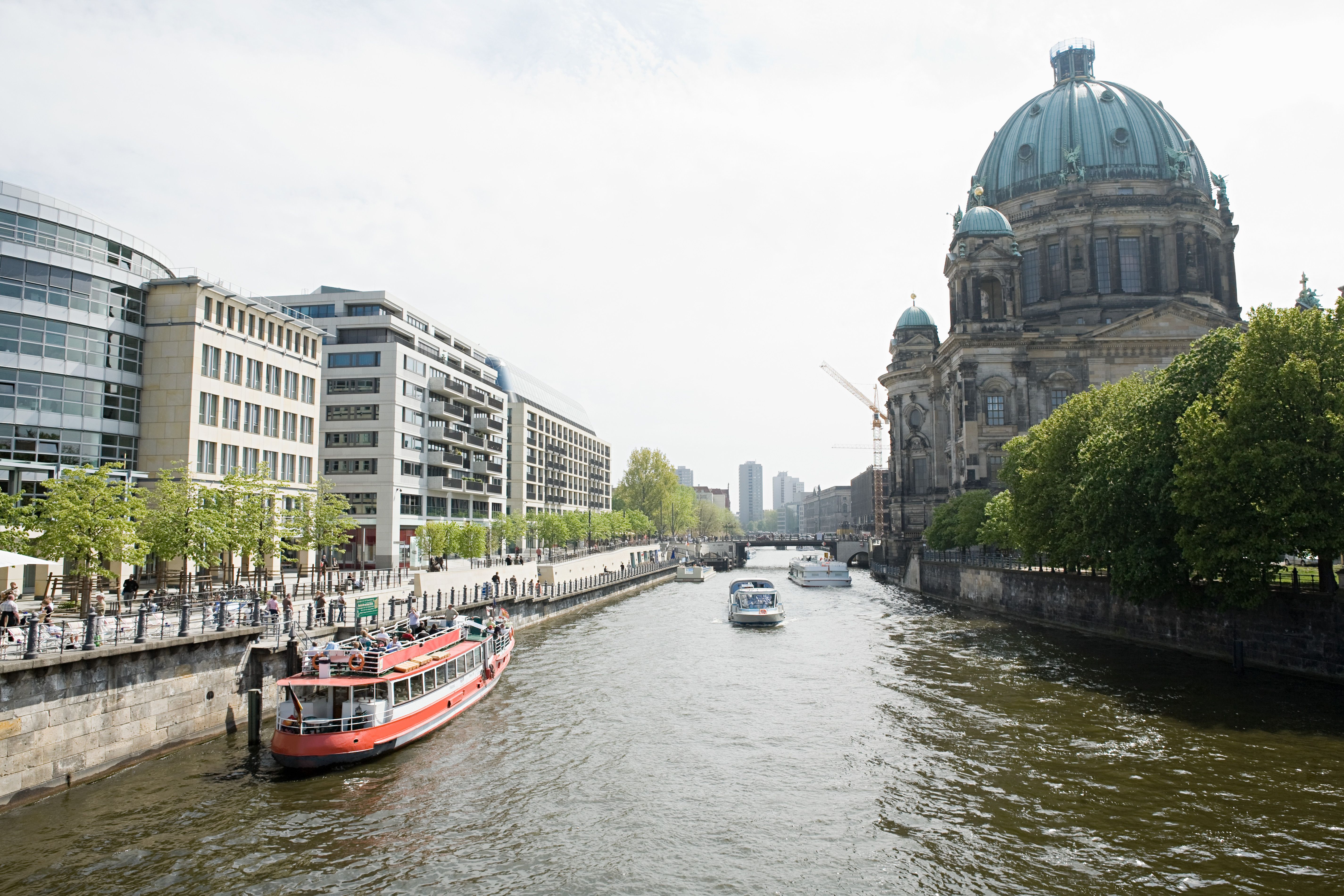
Additionally, investing in water-based transportation can be an effective way to connect coastal areas. Ferries and water taxis offer an alternative means of transportation, reducing road congestion and providing scenic routes for residents and tourists alike.

Leveraging Technology for Smarter Solutions
Technology plays a vital role in modernizing Florida's transportation infrastructure. Implementing intelligent transportation systems (ITS) enhances safety, reduces congestion, and improves overall efficiency. Real-time data collection and analysis enable better decision-making and adaptive traffic control.
Ride-sharing apps and on-demand transit services are also transforming how people travel. These technologies offer flexible and convenient options, particularly in areas with limited public transit coverage.
Fostering Collaboration for Comprehensive Solutions
Effective transportation planning requires collaboration among various stakeholders, including government agencies, private companies, and local communities. By working together, these entities can develop comprehensive solutions that address the diverse needs of Florida's residents.
Public-private partnerships (PPPs) can be instrumental in funding and implementing large-scale projects. These collaborations can bring innovative ideas and additional resources, facilitating the development of a robust transportation network.

Planning for Future Growth
As Florida continues to grow, proactive planning is essential to accommodate future transportation demands. Integrating sustainable practices, such as green infrastructure and renewable energy, will prepare the state for long-term success.
By anticipating changes in population and technology, Florida can create a flexible transportation system that adapts to evolving needs. This foresight ensures that the state remains a leader in providing efficient and effective transportation solutions.