The Future of Freight: Innovations in Last Mile Delivery
Understanding Last Mile Delivery
Last mile delivery refers to the final step of the delivery process where goods are transported from a distribution center to the end customer. It is a crucial part of the logistics chain, accounting for a significant portion of shipping costs. With the rise of e-commerce, the demand for efficient last mile delivery solutions has intensified.
Traditional methods often struggle to meet the demands for speed and efficiency, pushing companies to adopt innovative solutions. These innovations aim to enhance customer satisfaction while reducing operational costs.

Technological Innovations
Autonomous Vehicles
Autonomous vehicles are at the forefront of last mile delivery innovation. From drones to self-driving vans, these technologies promise to reduce delivery times and labor costs. Companies are investing heavily in these technologies to gain a competitive edge.
Drones are particularly useful for reaching remote or congested areas quickly. Meanwhile, autonomous vans can handle bulk deliveries in urban environments, optimizing routes with real-time data.

Robotics and Automation
Robotics and automation are transforming warehouses and distribution centers. Automated sorting systems and robotic pickers increase efficiency and reduce errors, ensuring that packages are dispatched quickly and accurately.
These technologies are crucial in handling the surge in e-commerce orders, enabling businesses to keep pace with customer expectations for fast and reliable delivery.

Customer-Centric Approaches
Flexible Delivery Options
Consumers today demand flexibility in delivery options. Innovations like same-day delivery, time-slot booking, and parcel lockers provide customers with the convenience they seek. These options not only enhance customer satisfaction but also improve delivery efficiency by streamlining routes and reducing failed delivery attempts.
Parcel lockers, for instance, allow customers to pick up their packages at their convenience, reducing the need for redelivery and associated costs.
Real-Time Tracking and Communication
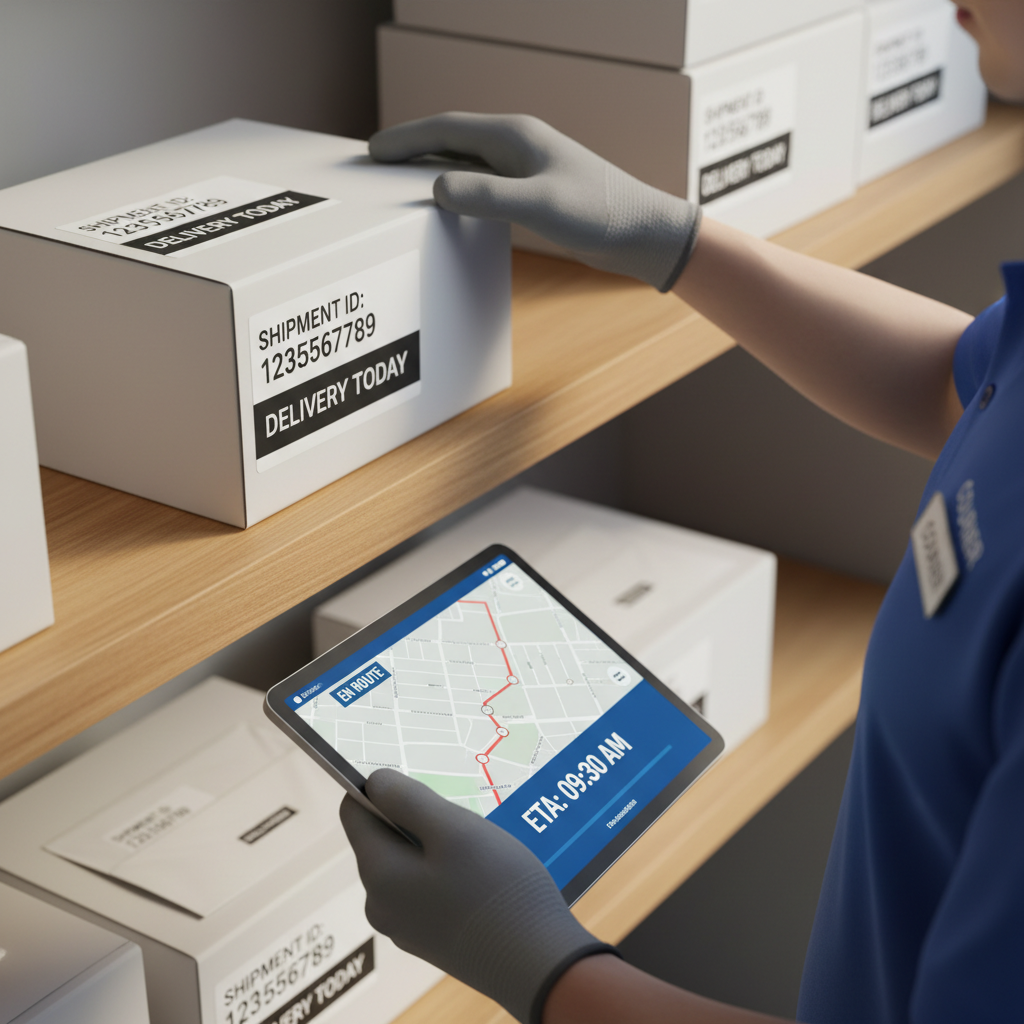
Real-time tracking and communication systems keep customers informed about their delivery status. These tools enhance transparency, allowing customers to track their packages in real-time and receive updates on estimated delivery times.
This level of communication builds trust and satisfaction, as customers feel more in control of their purchase deliveries.
Sustainability in Last Mile Delivery
As environmental concerns grow, sustainable delivery solutions are gaining attention. Companies are exploring eco-friendly vehicles and optimizing delivery routes to reduce carbon footprints. Electric vehicles and bicycles are becoming popular choices for urban deliveries, contributing to a greener logistics ecosystem.
Implementing sustainable practices not only helps the environment but also aligns with the values of increasingly eco-conscious consumers, enhancing brand reputation.

Challenges and the Road Ahead
Despite these innovations, challenges remain in last mile delivery, such as regulatory hurdles, technological limitations, and high implementation costs. However, continued advancements and investment in technology are expected to overcome these obstacles.
The future of freight lies in a blend of technology and customer-centric strategies, paving the way for a more efficient, sustainable, and satisfying delivery experience.